Vegan Diet in Australia: Is It Really a Healthy Lifestyle?
The vegan lifestyle is growing rapidly across Australia. From Sydney and Melbourne to Brisbane and Perth, plant-based food options are now widely available in supermarkets, cafes, and restaurants. More Australians are choosing vegan diets for health reasons, environmental concerns, and ethical values.
However, one common question still remains:
Is a vegan diet really healthy and sustainable for Australians in the long term?
In this detailed guide, we’ll cover:
- What a vegan diet is
- Health benefits backed by science
- Common challenges faced in Australia
- How to follow a nutritionally balanced vegan diet
- Environmental and lifestyle benefits for Australians
What Is a Vegan Diet?
A vegan diet completely avoids all animal-derived products, including:
- Meat and poultry
- Fish and seafood
- Eggs
- Dairy products such as milk, cheese, and butter
- Honey and other animal by-products
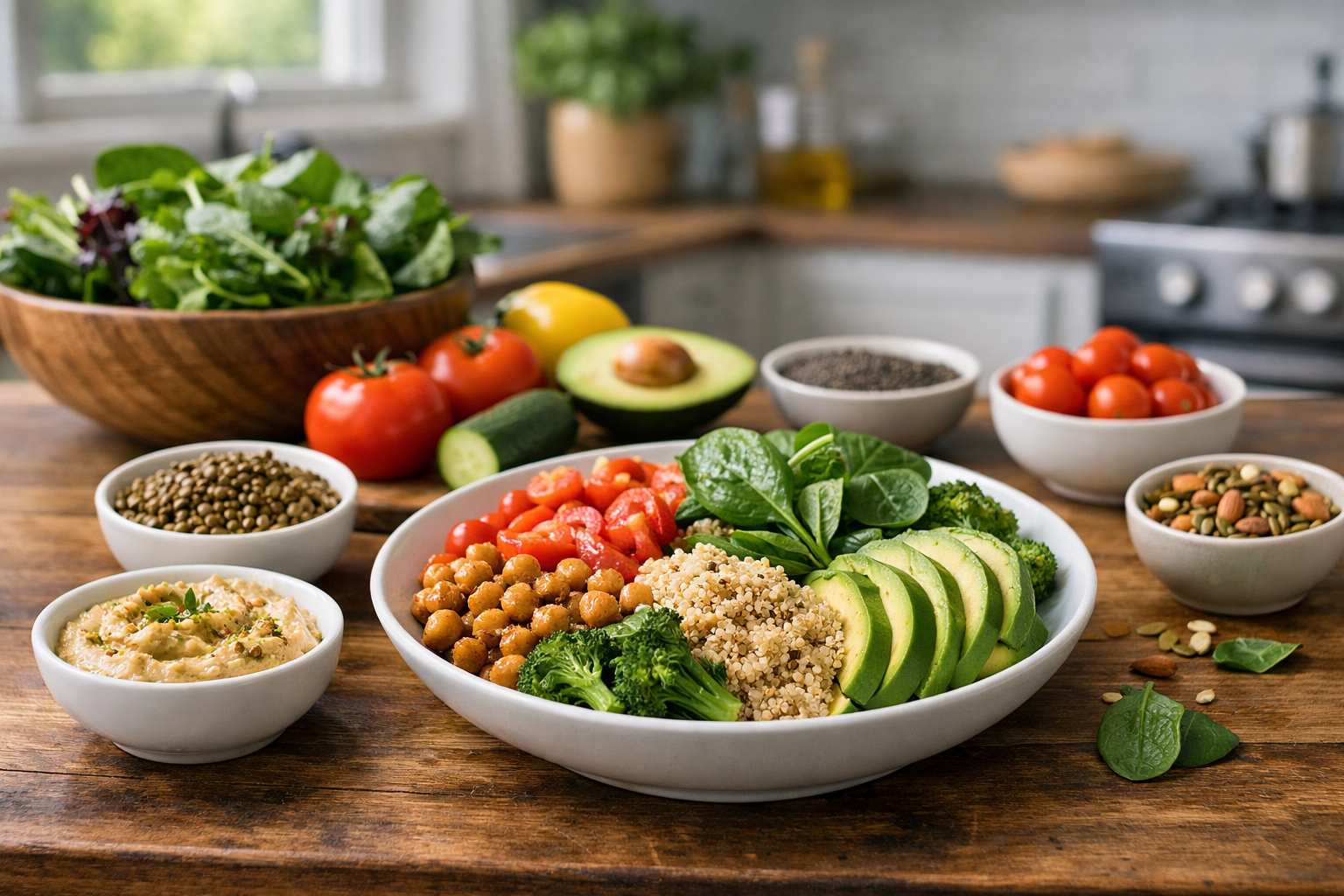
Instead, a vegan diet focuses on plant-based foods such as:
- Fresh fruits and vegetables
- Whole grains like brown rice, oats, and quinoa
- Legumes including lentils, chickpeas, and beans
- Nuts and seeds
- Plant-based milk such as soy, almond, oat, and rice milk
In Australia, these foods are easily accessible at major supermarkets like Coles, Woolworths, Aldi, and at local farmers’ markets across the country.
Health Benefits of a Vegan Diet in Australia

1. Improved Heart Health
Heart disease is one of the leading causes of death in Australia. A well-planned vegan diet can support heart health by:
- Reducing saturated fat intake
- Eliminating dietary cholesterol
- Increasing fibre and antioxidant consumption
Plant-based diets are linked with lower blood pressure and healthier cholesterol levels, which can significantly reduce the risk of cardiovascular disease.
2. Supports Healthy Weight Management
Australia has seen a steady rise in obesity rates due to processed foods and sedentary lifestyles. A whole-food vegan diet may help with weight management because:
- Plant foods are generally lower in calories
- High fibre intake promotes fullness and reduces overeating
Many Australians find it easier to maintain a healthy weight when they focus on unprocessed plant-based meals.
3. Better Blood Sugar Control
Type-2 diabetes is increasingly common in Australia. Vegan diets may help reduce the risk by:
- Improving insulin sensitivity
- Stabilising blood glucose levels
- Reducing excess body fat
Studies suggest that plant-based diets can play a supportive role in diabetes prevention and management when properly planned.
4. Improved Digestion and Gut Health
Plant-based foods are naturally rich in dietary fibre, which:
- Supports healthy digestion
- Improves gut bacteria diversity
- Prevents constipation
A healthy gut contributes to better immunity, nutrient absorption, and overall well-being.
5. Increased Energy and Better Skin Health
Vegan diets are rich in vitamins, minerals, and antioxidants. Many Australians report:
- Higher energy levels
- Improved skin clarity
- Reduced inflammation
A diet rich in fruits, vegetables, and whole foods can support long-term vitality.
Common Challenges of a Vegan Diet in Australia
1. Vitamin B12 Deficiency
Vitamin B12 is essential for nerve function and red blood cell production, but it is not naturally present in plant foods.
Solution:
Australians following a vegan diet should consume:
- Fortified plant-based milk and cereals
- Nutritional yeast with added B12
- A reliable vegan B12 supplement
Regular blood tests are recommended to monitor levels.
2. Getting Enough Protein
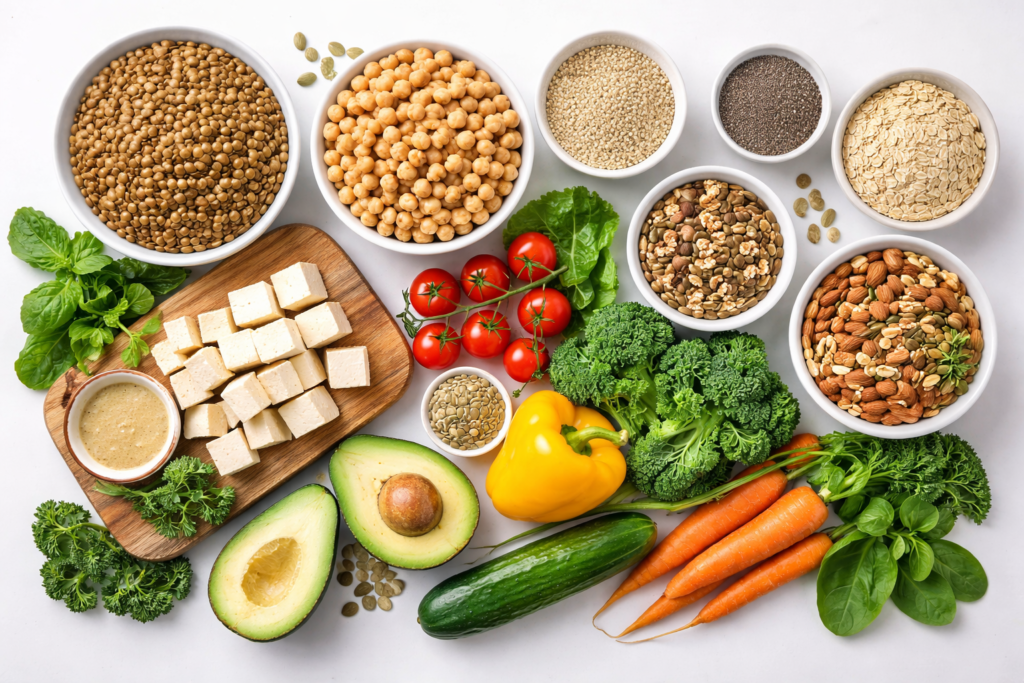
A common myth is that vegan diets lack protein. In reality, Australia offers plenty of plant-based protein sources such as:
- Lentils and chickpeas
- Tofu and tempeh
- Beans and peas
- Nuts and seeds
Proper meal planning ensures adequate daily protein intake.
3. Iron and Calcium Intake
Plant-based iron (non-heme iron) is absorbed less efficiently by the body.
Tips for better absorption:
- Combine iron-rich foods with vitamin C (e.g., lentils with lemon or capsicum)
- Choose fortified plant milks for calcium
This is especially important for women and athletes in Australia.
4. Vegan Options in Regional Australia
While major cities are vegan-friendly, regional and rural areas may have limited options.
Helpful tips:
- Plan meals in advance
- Carry snacks like nuts or protein bars
- Use apps like HappyCow to locate vegan-friendly cafes
5. Processed Vegan Food Trap
Australia has a growing market of processed vegan foods, including:
- Vegan burgers
- Vegan sausages
- Ready-made meals
These products can be high in salt and additives. They should be enjoyed occasionally, not as daily staples.
How to Follow a Healthy Vegan Diet in Australia
To maintain a balanced vegan diet, Australians should focus on:
✔ Eating a variety of fruits and vegetables
✔ Choosing whole grains over refined grains
✔ Including legumes in daily meals
✔ Selecting fortified plant-based milk
✔ Adding omega-3 sources like chia seeds and flaxseeds
✔ Taking Vitamin B12 and Vitamin D supplements if needed
Meal planning and diversity are key to avoiding nutrient deficiencies.
Vegan Diet and the Australian Environment
Australia is highly affected by climate change, droughts, and water scarcity. A vegan lifestyle can:
- Reduce greenhouse gas emissions
- Lower water usage
- Decrease land degradation
Many Australians choose veganism as an environmentally responsible lifestyle choice.
Is a Vegan Diet Suitable for All Australians?
A vegan diet can suit people of all ages, including:
- Adults
- Seniors
- Athletes
However, children, pregnant women, and people with medical conditions should consult a healthcare professional or dietitian to ensure nutritional adequacy.
Final Thoughts: Is a Vegan Diet Healthy in Australia?
Yes, a vegan diet can be healthy, practical, and sustainable in Australia — but only when it is:
- Well-planned
- Nutritionally balanced
- Based on whole foods rather than processed alternatives
With the wide availability of vegan products and growing awareness, Australians can successfully follow a vegan lifestyle while supporting both personal health and the environment.