Vegan Diet for Beginners in Australia: A Complete and Practical Guide
Starting a vegan diet can feel exciting but also confusing, especially if you are completely new to plant-based eating. Many beginners in Australia wonder if a vegan diet is healthy, affordable, and realistic for everyday life. Questions like What should I eat?, Will I get enough nutrients?, and Is vegan food easily available in Australia? are very common.
The good news is that following a vegan diet for beginners in Australia is easier today than ever before. With access to fresh produce, affordable staples, and growing awareness of plant-based lifestyles, anyone can start their vegan journey with confidence. You do not need expensive products or complicated recipes to eat well.
This complete beginner guide explains what a vegan diet is, how to start step by step, what foods to eat, which nutrients to focus on, and how to make vegan living simple, healthy, and sustainable in Australia.
What Is a Vegan Diet?
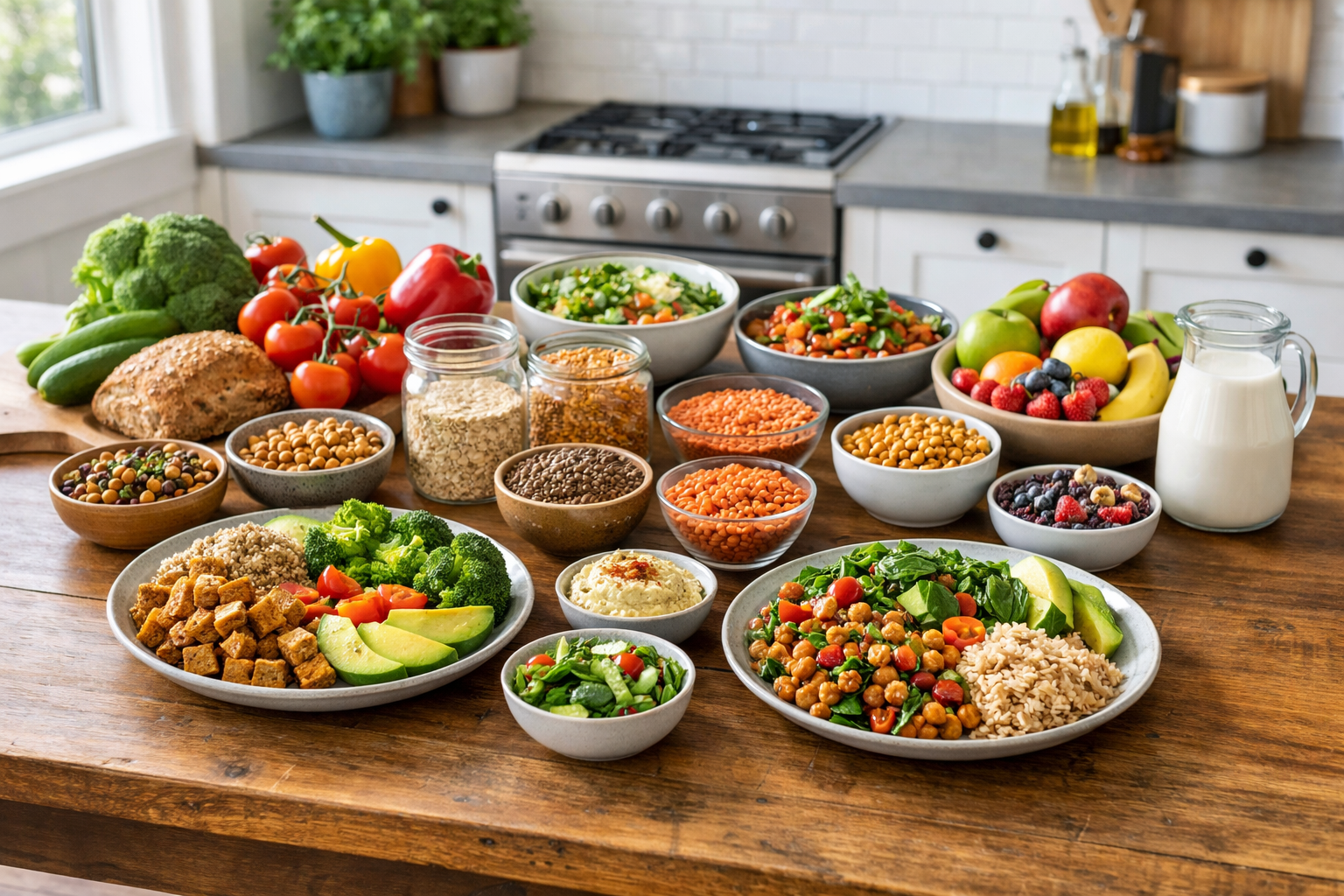
A vegan diet is a way of eating that completely avoids all animal-based products. This includes meat, fish, poultry, eggs, dairy, and honey. Instead, a vegan diet focuses on plant-based foods such as vegetables, fruits, whole grains, legumes, nuts, seeds, and plant-based alternatives.
For beginners, it is important to understand that veganism is not just about removing animal products. A healthy vegan diet focuses on whole foods, balance, and variety. While Australia offers many processed vegan products like plant-based meats and cheeses, these should support your diet, not replace nutritious whole foods.
When done correctly, a vegan diet can provide all the nutrients your body needs and support long-term health.
Why More People Are Choosing a Vegan Diet in Australia
The popularity of veganism has grown rapidly across Australia in recent years. People choose a vegan diet for many reasons, including health benefits, environmental concerns, and animal welfare.
Australia has an abundance of fresh fruits and vegetables available year-round. Local markets, supermarkets, and health food stores now stock a wide range of vegan-friendly options, making plant-based eating more accessible than ever.
Many Australians also find that a vegan lifestyle aligns well with modern values such as sustainability, conscious consumption, and personal wellbeing. For beginners, this supportive environment makes the transition much smoother.
How to Start a Vegan Diet for Beginners in Australia

Starting a vegan diet does not mean changing everything overnight. The best approach is to start slowly and build habits that are easy to maintain.
Start With Familiar Foods
Many everyday foods are already vegan. Rice, pasta, potatoes, oats, lentils, beans, fruits, and vegetables are affordable, filling, and widely available in Australia. Begin by building meals around these staples.
Make Simple Vegan Swaps
Replacing animal products with plant-based alternatives helps beginners adjust easily:
- Cow’s milk → soy, almond, or oat milk
- Butter → olive oil or vegan spread
- Meat → lentils, chickpeas, tofu, or beans
These swaps allow you to enjoy familiar meals while staying plant-based.
Plan Your Meals
Meal planning is one of the most important habits for beginners. Planning simple meals for the week helps save money, reduce stress, and avoid unhealthy choices.
What to Eat on a Vegan Diet as a Beginner
A balanced vegan diet includes foods from all major plant-based food groups.
Vegetables and Fruits
These provide vitamins, minerals, fibre, and antioxidants. Australia offers a wide variety of seasonal produce, making it easy to eat fresh and affordable foods.
Whole Grains
Brown rice, oats, whole-wheat bread, pasta, and quinoa provide energy and essential nutrients.
Legumes and Plant Proteins
Lentils, beans, chickpeas, tofu, and tempeh are excellent protein sources for vegans.
Healthy Fats
Avocados, nuts, seeds, olive oil, and nut butters support overall health and help you feel full.
Eating a variety of these foods ensures proper nutrition and long-term success on a vegan diet.
A Simple Daily Vegan Meal Structure
Beginners often struggle because they think vegan meals are complicated. In reality, keeping meals simple works best.
- Breakfast: Oats with fruit and plant milk
- Lunch: Rice or quinoa with vegetables and lentils
- Dinner: Stir-fried vegetables with tofu or beans
- Snacks: Fruits, nuts, hummus with bread
This structure is easy to follow and works well for a vegan diet for beginners in Australia.
Is a Vegan Diet Healthy for Beginners?
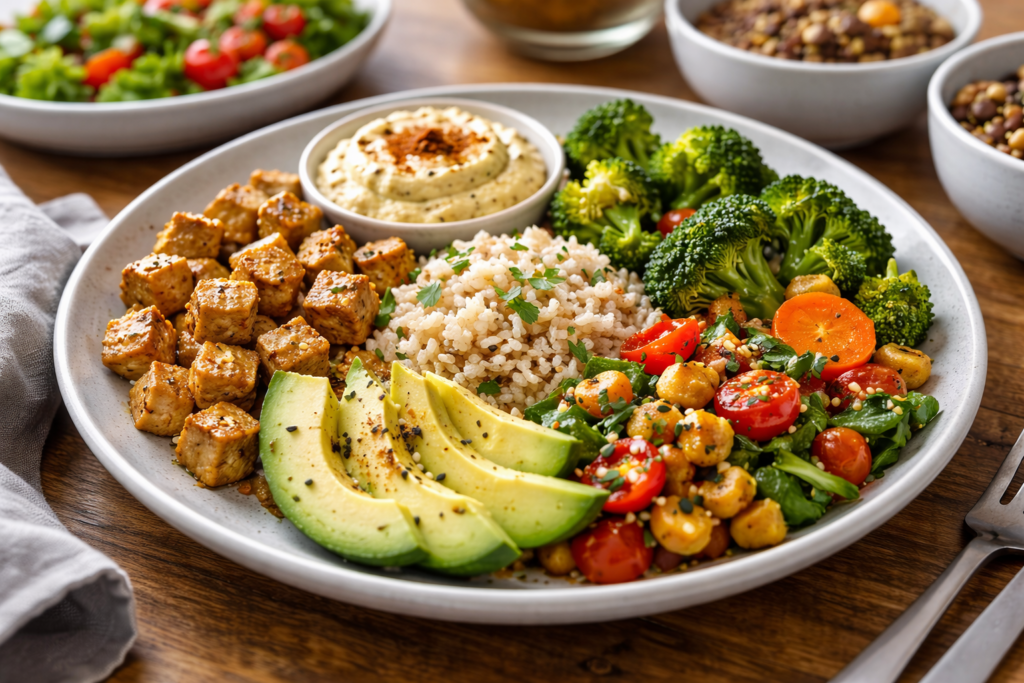
Yes, a vegan diet can be very healthy when it is balanced and well planned. Research suggests that plant-based diets may support heart health, digestion, and overall wellbeing.
For beginners, the key is to eat enough food and include a wide variety of plant-based ingredients. A healthy vegan diet should include:
- Adequate protein from legumes, tofu, nuts, and seeds
- Complex carbohydrates from whole grains and vegetables
- Healthy fats from avocados, seeds, and oils
Avoid relying heavily on processed vegan foods. Whole foods should form the foundation of your diet.
Important Nutrients to Watch on a Vegan Diet
While a vegan diet can meet most nutritional needs, beginners should be aware of a few key nutrients.
Vitamin B12
Vitamin B12 is essential for nerve health and energy. Vegans usually get B12 from supplements or fortified foods, which are easily available in Australia.
Iron
Plant-based iron is found in lentils, beans, spinach, and chickpeas. Pairing these foods with vitamin C-rich fruits improves absorption.
Omega-3 Fatty Acids
Omega-3 supports brain and heart health. Vegan sources include flaxseeds, chia seeds, and walnuts.
Paying attention to these nutrients helps beginners maintain good health on a vegan diet.
Common Mistakes Beginners Make on a Vegan Diet
Many beginners struggle not because veganism is difficult, but because of common mistakes.
- Not eating enough calories
- Relying too much on processed vegan products
- Skipping meal planning
- Ignoring key nutrients
Being aware of these mistakes helps you avoid frustration and stay consistent.
Is a Vegan Diet Affordable in Australia?
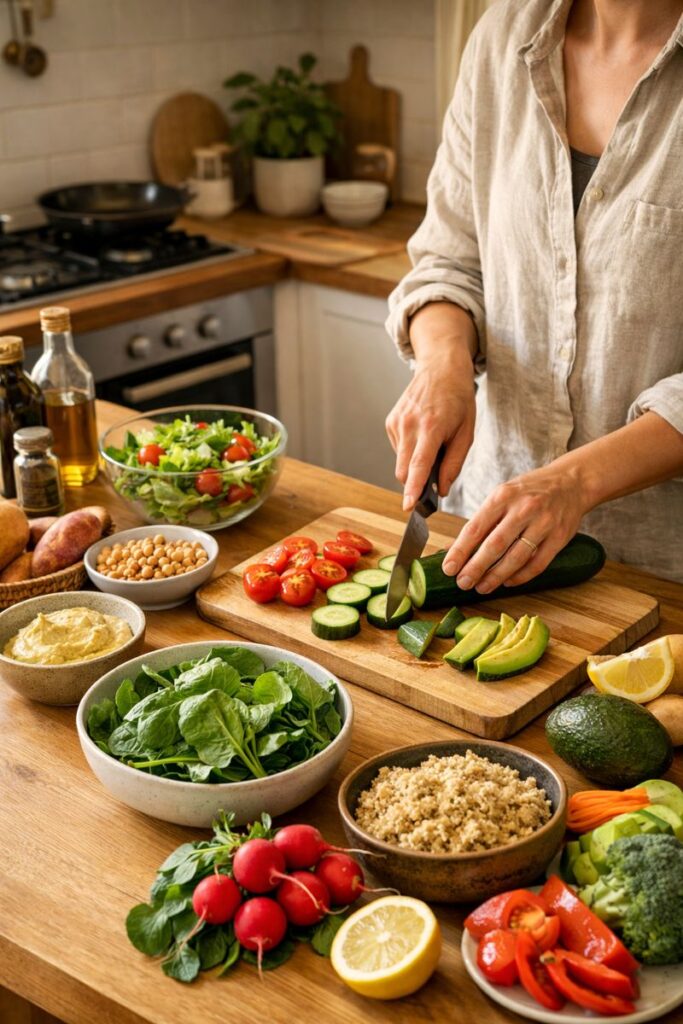
One of the biggest myths is that vegan food is expensive. In reality, a vegan diet can be very budget-friendly.
Staples like rice, lentils, beans, oats, seasonal vegetables, and fruits are among the cheapest foods in Australian supermarkets. Cooking at home and focusing on simple meals can significantly reduce grocery costs.
To save money:
- Buy seasonal produce
- Shop at local markets
- Limit specialty vegan products
Many Australians find that their food budget improves after switching to a plant-based diet.
Eating Out as a Vegan in Australia
Australia is one of the most vegan-friendly countries in the world. Many cafes and restaurants now offer vegan options, especially in major cities.
For beginners:
- Check menus online before visiting
- Ask staff about vegan options
- Choose cuisines that naturally offer plant-based dishes
Eating out becomes easier with experience and confidence.
Tips to Stay Consistent on a Vegan Diet
Consistency is more important than perfection, especially for beginners.
- Keep meals simple
- Repeat meals you enjoy
- Learn one new vegan recipe at a time
- Do not be too hard on yourself
A flexible mindset helps you stick to a vegan diet long-term.
Vegan Diet and Lifestyle: Beyond Food
For many people, veganism becomes more than just a diet. It often extends into lifestyle choices such as cruelty-free products and sustainable living.
However, beginners should focus first on food. Once you feel comfortable with your diet, you can explore other aspects of vegan living at your own pace.
Final Thoughts: Vegan Diet for Beginners in Australia
Following a vegan diet for beginners in Australia can be a healthy, affordable, and rewarding experience. With access to fresh foods, simple meal planning, and the right information, anyone can start their plant-based journey confidently.
You do not need to be perfect from day one. Start with small changes, stay consistent, and focus on building habits that support long-term health and wellbeing.
A vegan lifestyle is not about restriction—it is about making conscious choices that benefit your health, the environment, and the future.