
Is a Vegan Diet Healthy in Australia? Benefits, Risks, and Honest Truth
Many people in Australia are curious about veganism but hesitate because of one big question: Is a vegan diet really healthy?
Some believe a vegan diet is the healthiest way to eat, while others worry about protein, vitamins, and long-term health risks. For beginners, this confusion can be overwhelming.
The truth is simple: a vegan diet can be very healthy in Australia—but only if it is done the right way. Like any other diet, it has benefits, challenges, and things you must pay attention to.
In this guide, we will honestly discuss the health benefits of a vegan diet, possible risks, common myths, and how Australians can follow a healthy and balanced vegan lifestyle without stress.
What Does “Healthy Vegan Diet” Actually Mean?
A healthy vegan diet is not just about removing meat or dairy. It is about replacing them with nutritious plant-based foods, not junk or overly processed products.
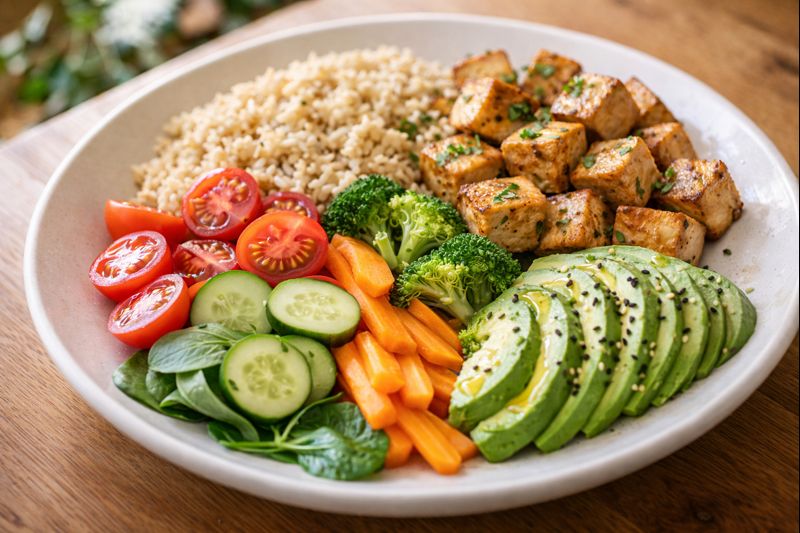
A healthy vegan diet includes:
- Vegetables and fruits
- Whole grains
- Legumes like lentils and beans
- Nuts and seeds
- Healthy plant fats
In Australia, these foods are easy to find in supermarkets and local markets, making it possible to eat well without expensive supplements or special products.
Health Benefits of a Vegan Diet in Australia
When planned properly, a vegan diet offers several health benefits that many Australians experience.
1. Better Heart Health
Plant-based diets are naturally low in saturated fat and cholesterol. Many studies suggest that vegans may have a lower risk of heart disease and high blood pressure.
Australian diets are often high in processed foods and red meat. Switching to more plant-based meals can help improve heart health over time.
2. Improved Digestion and Gut Health
A vegan diet is rich in fibre from fruits, vegetables, legumes, and whole grains. Fibre supports digestion, improves gut bacteria, and helps prevent constipation.
Many Australians notice better digestion after switching to a plant-based diet, especially when they focus on whole foods instead of packaged vegan snacks.
3. Weight Management
A balanced vegan diet can support healthy weight management. Plant-based foods are generally lower in calories and higher in volume, which helps you feel full without overeating.
This does not mean all vegans automatically lose weight. Eating too much processed vegan food can still lead to weight gain.
4. Lower Risk of Some Chronic Diseases
Research suggests that plant-based diets may reduce the risk of type 2 diabetes and certain lifestyle-related conditions when combined with healthy habits.
For Australians looking to improve long-term health, veganism can be a positive step when done correctly.
Common Myths About Vegan Diet Health
There are many myths around vegan diets, especially for beginners in Australia.
“Vegans Don’t Get Enough Protein”
This is one of the biggest myths. Protein is easily available in lentils, beans, chickpeas, tofu, tempeh, nuts, and seeds.
Most Australians actually eat more protein than needed, so beginners rarely face protein deficiency if they eat balanced meals.
“A Vegan Diet Is Weak or Low Energy”
Low energy usually happens when people do not eat enough calories or nutrients—not because the diet is vegan.
A well-planned vegan diet provides steady energy throughout the day.
“Vegan Diets Are Too Expensive”
Whole vegan foods like rice, lentils, oats, vegetables, and fruits are some of the cheapest foods in Australian supermarkets.
It becomes expensive only when people rely heavily on specialty vegan products.

Possible Risks of a Vegan Diet (And How to Avoid Them)
A vegan diet is healthy, but it does require awareness. Ignoring certain nutrients can cause problems over time.
Vitamin B12
Vitamin B12 is essential for nerve function and energy. It is not naturally present in plant foods.
Solution:
Most vegans in Australia take a B12 supplement or eat fortified foods. This is simple and affordable.
Iron
Plant-based iron is slightly harder for the body to absorb compared to animal iron.
Solution:
Eat iron-rich foods like lentils, beans, spinach, and pair them with vitamin C-rich foods like citrus fruits.
Omega-3 Fatty Acids
Omega-3 supports brain and heart health.
Solution:
Include flaxseeds, chia seeds, walnuts, or consider a plant-based omega-3 supplement.
Is a Vegan Diet Safe for All Ages?
Yes, a vegan diet can be healthy for:
- Adults
- Seniors
- Teenagers
However, special care is needed for children, pregnant women, and people with medical conditions. In such cases, professional advice is recommended.
For most healthy adults in Australia, a balanced vegan diet is completely safe and beneficial.
What Makes a Vegan Diet Unhealthy?
A vegan diet becomes unhealthy when:
- Meals are mostly processed foods
- Calories are too low
- Important nutrients are ignored
- Meal planning is skipped
Eating vegan junk food every day is no healthier than eating non-vegan junk food.
Health comes from food quality, not labels.
How Australians Can Eat a Healthy Vegan Diet
Here are some practical tips for Australians following a vegan diet:
- Focus on whole foods
- Eat a variety of plants
- Cook at home more often
- Do simple meal planning
- Supplement vitamin B12
Australia offers everything needed for a healthy vegan lifestyle—it just requires smart choices.
Vegan Diet vs Plant-Based Diet: Is There a Difference?
In practice, the foods are very similar.
- A vegan diet avoids animal products for ethical, environmental, or health reasons.
- A plant-based diet focuses mainly on health and whole foods.
Both can be healthy if balanced. Beginners should focus more on nutrition and consistency than labels.

Long-Term Health: Can Vegans Stay Healthy for Years?
Yes, many people follow vegan diets for years without health issues. Long-term health depends on:
- Balanced nutrition
- Regular check-ups
- Listening to your body
A vegan diet is not a shortcut to health. It is a lifestyle that requires basic awareness and responsibility.
Final Verdict: Is a Vegan Diet Healthy in Australia?
Yes — a vegan diet can be very healthy in Australia when it is balanced, planned, and focused on whole foods.
It offers benefits like improved digestion, better heart health, and sustainable eating. However, ignoring nutrients or relying on junk food can lead to problems.
For beginners, the best approach is simple:
Start slow, eat real food, stay consistent, and learn along the way.
A vegan diet is not about being perfect—it is about making better choices every day.